
Garden

Planting Seeds for Personal and Spiritual Growth

St. Andrew Presbyterian Church has nurtured the Billings community through its gardens—spaces cultivated for both quiet prayer and meaningful service—since 2003.

The grounds offer 104 community garden plots, as well as a greenhouse, orchard, apiary, Native Plant Demonstration Garden, and labyrinth.

A Native Plant Demonstration Garden contains over 40 species of plants that can be used for landscaping homes and yards. 

Additionally, the site hosts a mission garden, where families grow fresh produce for service agencies to distribute to families experiencing food insecurity.
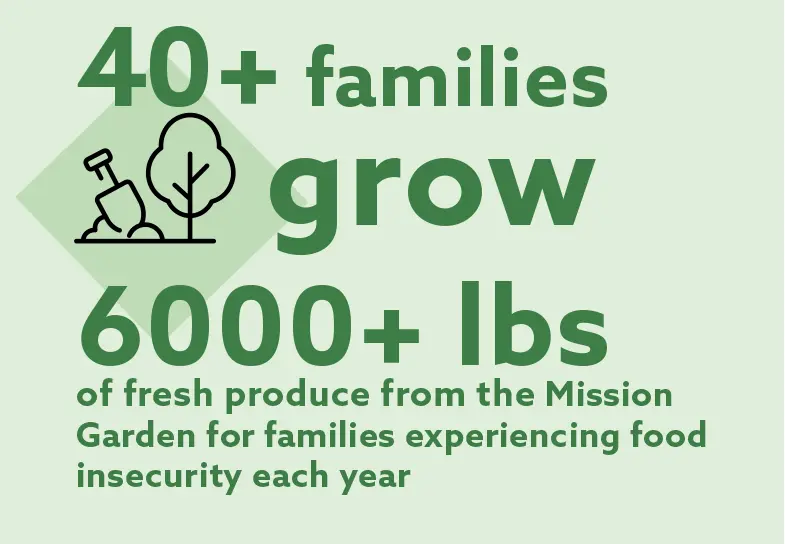
St Andrew 40 Families Grow
Feeding the Hungry – Physically and Spiritually

2026 Application Form


The primary method of contacting gardeners is through email. We expect you to check your email frequently for garden updates and information. If you are unable to use email and need to be contacted by phone, please check the following box.

Number of Plots Desired: (Plots are 8’ x 8’ and are laid out in blocks of four with paths in between. A maximum of four plots are allowed per individual/family)

Small Wonders Thrive

Insects of Our Garden

Explore the vibrant insect life documented in the Field Guide to the Insects of St. Andrew Community Garden, an engaging look at biodiversity right in our backyard. This field guide celebrates these essential pollinators and garden helpers, reminding us that every small creature contributes profoundly to our community’s ecosystem.
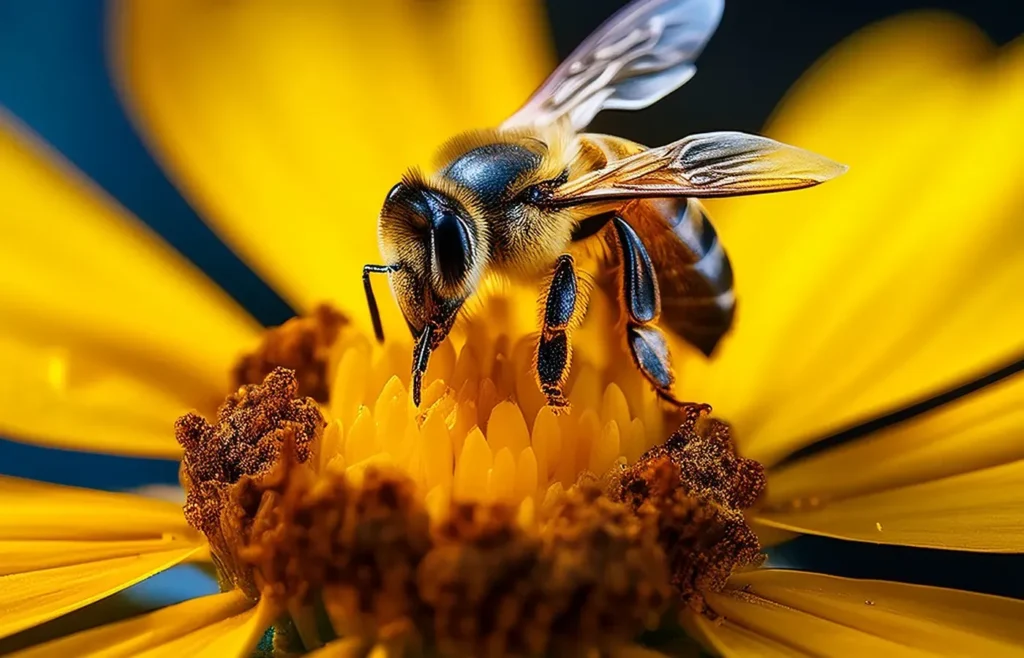
St Andrew Small Wonders Thrive

Explore the Rest of Our Grounds

Policies and Guidelines

Gardeners agree to:  

  • Attend a Gardener Orientation meeting at the beginning of each year. Plots will not be assigned until an orientation meeting is attended.
  • Be assigned a maximum of four plots. Returning gardeners may be assigned their same plots the following year.
  • Maintain communications with garden leaders by reading emails or making other arrangements to receive timely phone calls or printed mail.
  • Participate in the upkeep and operation of the Community Garden and the Mission Garden. This includes accepting and completing specific responsibilities and participating in Spring and Fall workdays. Gardeners with 1-2 plots will accept one assignment, and gardeners with 3-4 plots must accept two assignments.
  • Maintain their plot by weeding and other maintenance, including clearing, removing weeds from the paths adjacent to their plot, removing weeds and seed heads from self-seeding plants such as larkspur, calendula, dill, chives, and any other type of plant designated by the Garden Committee.
  • Clear their plots at the end of the growing season and remove buckets, trellises, cages, and other loose items.
  • Not allow plants to grow into the pathways or neighboring plots.
  • Not use inorganic pesticides or fertilizers nor plant genetically modified organisms (GMOs).
  • Notify the Plot Garden manager if they cannot maintain or must neglect or abandon a plot for any reason.
  • Not allow tall crops to shade a neighbor’s plot, block sprinklers, or otherwise negatively impact plant growth. Plants, tomato cages, and any other structures may not exceed 4 ft. in height.
  • Not modify plot boundaries or build structures on the plot without approval from the Garden Committee. Raised beds should not be higher than 12 inches.
  • Not store unused items in or around plots such as buckets, wood, metal, or plastic.
  • Only harvest produce from their own plot unless given permission by a fellow gardener.
  • Not adjust the watering system sprinklers or controller.
  • Not disturb others by playing radios or other music devices near the garden or labyrinth when others are present.
  • Not bring pets into the garden and respect the garden as a smoke-free area.
  • Follow these policies, understanding that failure to do so may result in rental termination and/or denial of application the following year.